
Introduction
Most people believe that brushing and flossing are enough to maintain good oral health. While these habits are very important, they are only part of the story. Inside your mouth lives a complex ecosystem known as the oral microbiome— a community of beneficial and harmful bacteria that influence the health of your teeth, gums, and breath.
When the oral microbiome is balanced, beneficial bacteria help protect the mouth and maintain healthy gums and teeth. However, poor diet, stress, antibiotics, and even certain mouthwashes can disrupt this balance.
When harmful bacteria begin to dominate, it may lead to problems such as gum irritation, bad breath, plaque buildup, and tooth sensitivity. Understanding the signs of an unhealthy oral microbiome can help you take steps to restore balance and support better dental health.
What Is the Oral Microbiome?
The oral microbiome is the collection of microorganisms that live in your mouth. Scientists estimate that hundreds of bacterial species live in the oral cavity.
Some of these bacteria are beneficial and help protect the gums and teeth, while others can contribute to plaque formation and gum disease if they become dominant.
Maintaining a balanced microbiome is essential because the mouth is one of the first lines of defense for overall health.
7 Signs Your Oral Microbiome May Be Unbalanced
1. Persistent Bad Breath
Chronic bad breath, also known as halitosis, is often caused by bacteria that produce sulfur compounds in the mouth. When beneficial bacteria are reduced, odor-producing bacteria may increase.
2. Bleeding Gums
If your gums bleed frequently when brushing or flossing, it may indicate inflammation caused by bacterial imbalance.
3. Gum Sensitivity
Tender or swollen gums may also be a sign that harmful bacteria are affecting the gum tissue.
4. Frequent Cavities
An overgrowth of certain bacteria can increase the risk of cavities by producing acids that weaken tooth enamel.
5. Plaque Buildup
Excess plaque formation may indicate that the bacterial balance in the mouth has shifted.
6. Tooth Sensitivity
Sensitive teeth can sometimes be associated with gum inflammation or enamel erosion caused by bacterial activity.
7. Dry Mouth
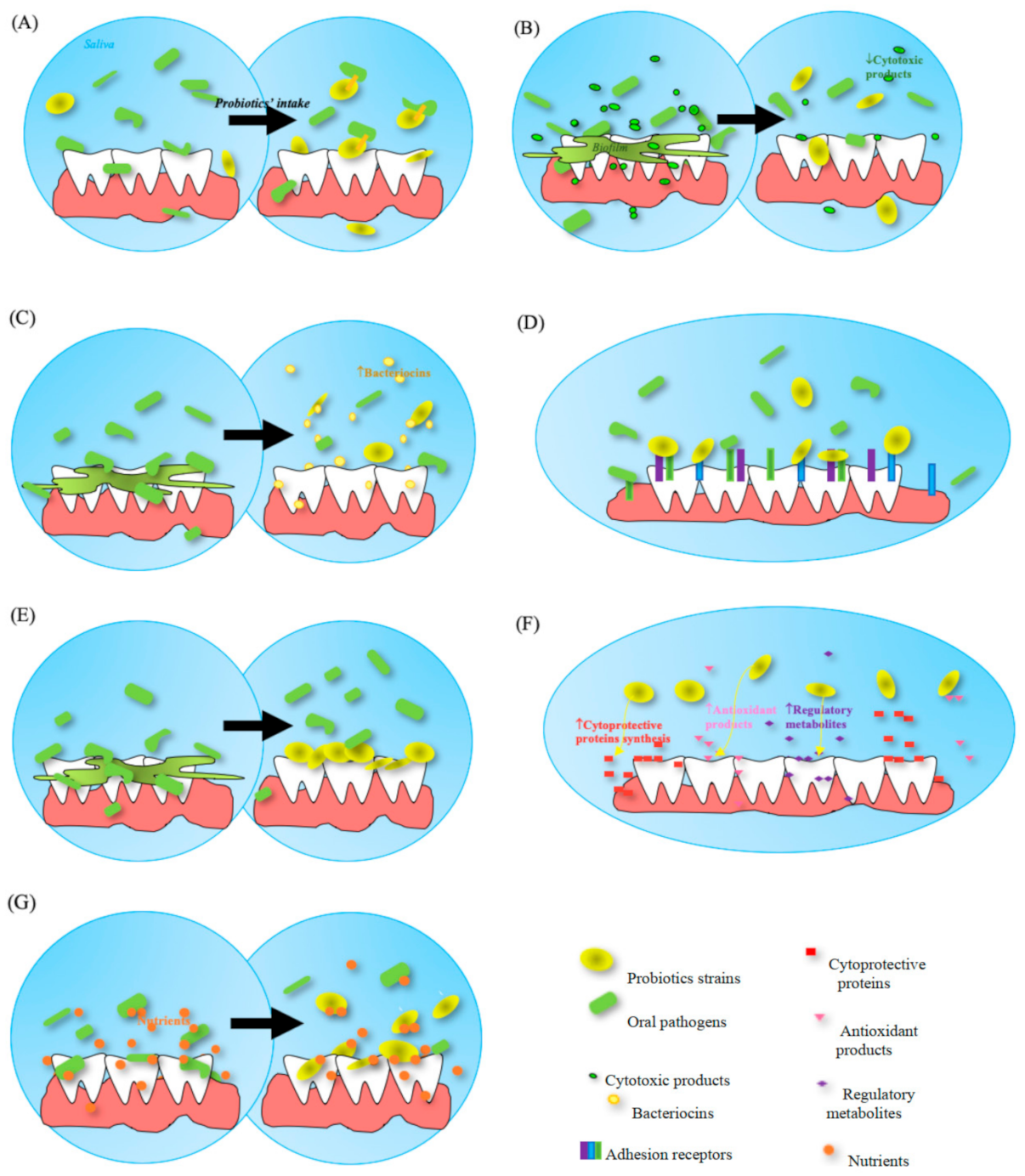
Saliva plays an important role in maintaining oral balance. A dry mouth environment may allow harmful bacteria to grow more easily.
How to Fix an Unhealthy Oral Microbiome
Fortunately, there are several ways to support a healthier oral microbiome.
Maintain proper oral hygiene
Brushing and flossing daily helps remove harmful bacteria and plaque.
Eat a balanced diet
Reducing sugar intake and consuming nutrient-rich foods can support oral health.
Stay hydrated
Drinking enough water helps stimulate saliva production.
Support beneficial bacteria
Some people choose oral probiotics designed to support the balance of beneficial bacteria in the mouth.
If you’re curious about oral probiotic supplements designed to support dental health, you can learn more here.
Pros and Cons of Oral Probiotic Supplements
Pros
- May help support the balance of beneficial oral bacteria
- Can contribute to fresher breath
- May support gum health
- Easy to include in a daily routine
Cons
- Results may vary between individuals
- Supplements should not replace proper dental care
- Consistency is often required to see results
Where to Buy
Oral probiotic supplements can often be found online through official websites or specialized health retailers.
If you would like to explore one option designed to support oral microbiome balance, you can learn more here.
Final Thoughts
The oral microbiome plays a crucial role in maintaining healthy teeth and gums. When the balance of bacteria in the mouth is disrupted, it may contribute to several common dental issues such as bad breath, gum irritation, and plaque buildup.
By maintaining good oral hygiene, eating a balanced diet, staying hydrated, and supporting beneficial bacteria, it is possible to promote better oral health.
Understanding the signs of an unhealthy oral microbiome can help you take proactive steps toward maintaining a healthier smile and overall wellness.